Current Issue
Our Partners



P3 3-4/2025 en
75 Years TBP
“Constantly Learning New Things Keeps Us Young”
Paper & People
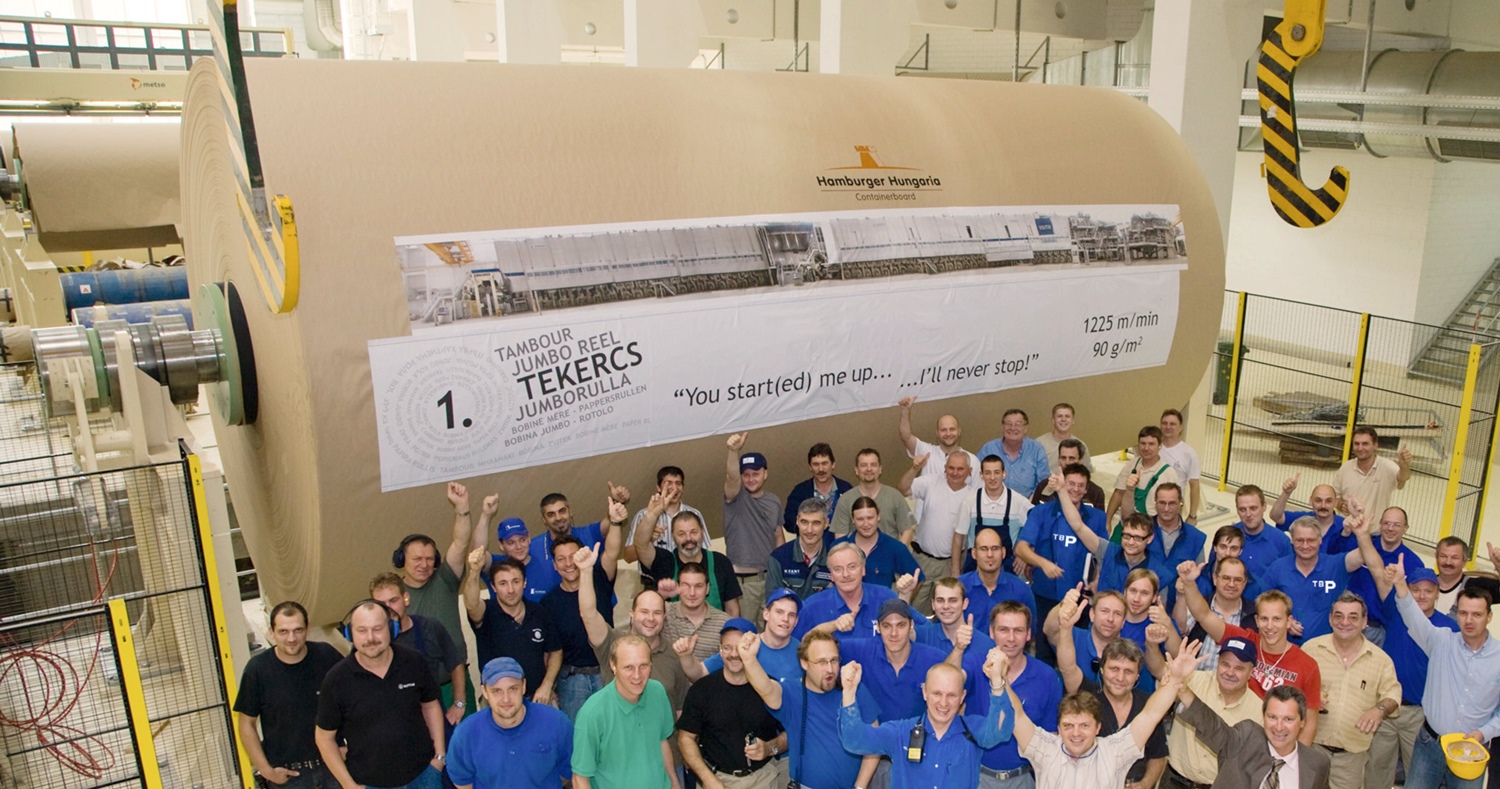
TBP team with first paper roll from new factory.
75 years of TBP Engineering, 35 years of TBP Interprojekt, 25 years of TBP Upcon: Managing Director and shareholder Thomas Wimmer talks about TBP's fresh ideas, dynamism and innovative spirit in this triple anniversary year, but also about market developments, challenges and future issues.
TBP team with first paper roll from new factory.
Mr Wimmer: Sustainability, cost efficiency, declining international competitiveness: Europe's industry has a lot of homework to do. How is TBP facing up to these challenges?
Thomas Wimmer: I would like to mention the paper and pulp industry as an example of staying power. Paper had already been declared dead, but per capita consumption is rising. The packaging industry is coming back to life with online retail. Corona has caused a real boom here. We come from the paper industry and are still strongly represented there with a business volume of around 70%. Recycling and sustainability are in the DNA of the paper and pulp industry, which has always thought in terms of complete cycles. Optimising the use of resources is a competitive advantage, as energy and raw material prices are the cost drivers. With innovative engineering services in consulting, engineering and general planning, we make a decisive contribution.
TBP emerged from voestalpine Anlagenbau in 1950. That no longer exists, but TBP does. How do you do that?
Thomas Wimmer: One of our assets is that we are constantly learning new things and expanding our horizons. There are always innovations: new products, new product lines or the conversion of existing systems. We are currently focusing on decarbonisation and are working intensively on solutions that help our customers to optimise their energy consumption structures.
Wherever pipes, pressures, heat, etc. are involved, we are there. We are, so to speak, responsible for the nervous system in the industrial plant body, connecting the individual parts to form a functioning whole. The expertise we have built up over 75 years in the paper industry is also used in the starch and sugar industry, the wood-processing industry and environmental technology - right through to the decarbonisation of energy generation. Our customers listen to us and we listen to our customers. Each year, our 120 engineers provide around 180,000 engineering hours and accompany our customers step by step from the initial idea to successful project realisation.
“Energy is the fuel for the economy's bloodstream. The war in Ukraine in particular, with its consequences, emphasises how dependent we are on a secure energy supply. As a result, the search for alternative energies and the necessary generation plants, as well as the optimal utilisation of existing resources, is the order of the day. This means that the planning of such plants is becoming increasingly important.”
Thomas Wimmer and Thomas Füchsel
Which areas will play a major role in the future?
Thomas Wimmer: Electrical and industrial energy solutions will gain in importance. We are gradually building up expertise in this area, as the field of industrial power supply and distribution in particular is being increasingly neglected by established providers.
Decarbonisation is generating investment, but it also means that everything is being converted to electricity. Large heat pumps to utilise the last unused heat sources for energy are an area in which we are becoming increasingly involved. The aim is to increase efficiency by a factor of two to three by conserving resources. For example, it makes no sense to cool down waste water; it is better to utilise the energy from it. The same applies to the heat in the exhaust air from various processes. However, it is not so easy to plan a plant that requires an additional 5 MW or more of electrical power. It will be years before sufficient green electricity is available or the power grids are expanded accordingly.
Keyword artificial intelligence: does the human being still have a future?
Thomas Wimmer: IoT, the Internet of Things, has already established itself where constant measurements and regulations are taking place. AI is more of an issue for automation companies or large corporations that want to start up or monitor systems independently of humans. However, the question is whether a large number of sensors, including the necessary cabling etc., is more economically justifiable than an experienced employee who intervenes to control the system.
“We really used to sit at our desks with pen and paper and draw the plans by hand. Nowadays, I don't even have to be on site. You're constantly working on a virtual model.”
Mario Doppler, with TBP for 44 years.
What are the advantages of TBP's independence?
Thomas Wimmer: Our independence is a great asset that is valued by our customers and which we carefully cultivate. We are solely committed to the interests of our clients and provide objective and neutral advice to ensure the best solution in terms of price and technology. We are personally available to our customers; the boss works with us. Our hierarchies are very flat and our decision-making processes are short - this makes us an agile company and our employees agile too. We always think outside the box. "Think beyond planning" is our conscious motto.
How do you see the future as an owner-managed company?
Thomas Wimmer: Securing the future as a family business gives our customers planning security. After all, we work on everything from smaller orders that take a few months to projects with an order volume of 300 million euros that take several years to complete.
In the medium term, we will probably have to enter into strategic partnerships in order to be able to offer our high level of expertise and service quality in increasingly challenging or even disruptive markets. Employee participation models may also be a topic for the future. What worries me more is that a generational change is currently taking place. Sound medium-sized companies are being sold, and there have never been so many mergers and acquisitions as in recent years.
The TBP Group is an internationally active engineering services company for the following areas:
- Paper/pulp (TBP is the largest planning office in this sector in German-speaking countries)
- Energy/water/waste water
- Starch/sugar
- Wood processing industry
- Environmental/environmental technology
TBP customers benefit from a comprehensive range of engineering services, synergies thanks to broad-based expertise and the flexibility of an owner-managed company with short decision- making paths: from the initial idea to commissioning and follow-up support for industrial plants.
- Consulting/Studies
- Authorisation planning
- Engineering/General Planning
- 3D as-built documentation
- Project management
- Provision of personnel
- Plant relocation
100% owned by the Wimmer and Füchsel families, the managing directors are Thomas Wimmer and Thomas Füchsel.
- 125 employees, including 45 at the TBP site in Linz, 55 at Interprojekt in Lodz/Poland, 25 at TBP Upcon in Moosburg and in Dresden, Germany.
- More than 180,000 engineering hours per year.
- Annual turnover around EUR 15 million, focus on Central and Eastern Europe, but also active worldwide.
- 60 % export quota.
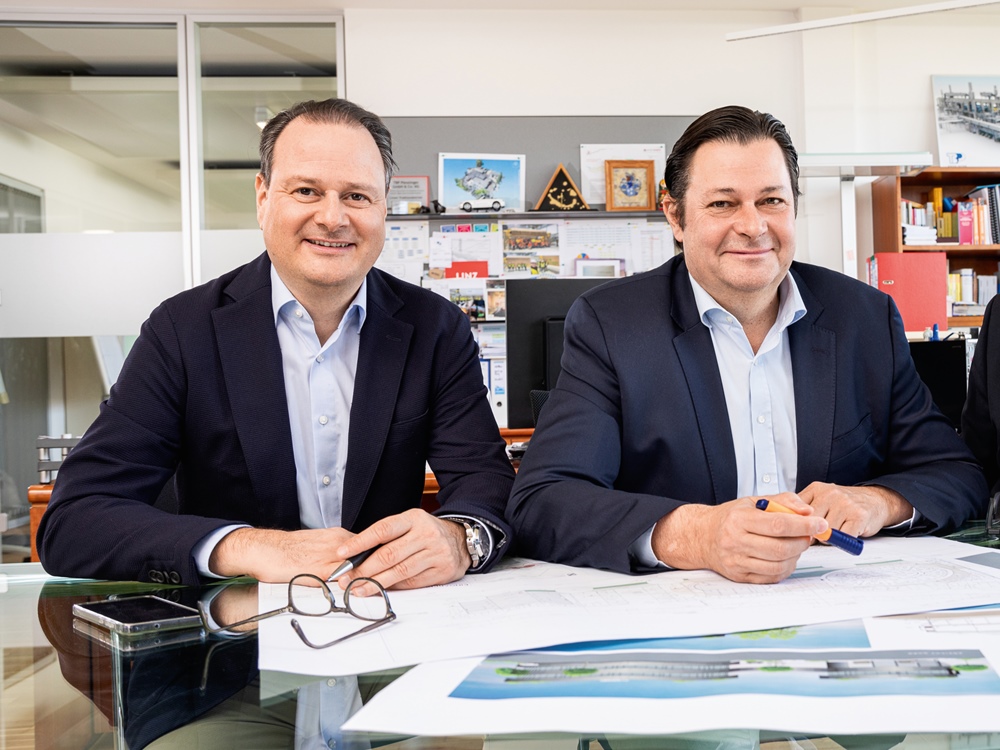
Management Shareholder DI Thomas Wimmer and Thomas Füchsel.
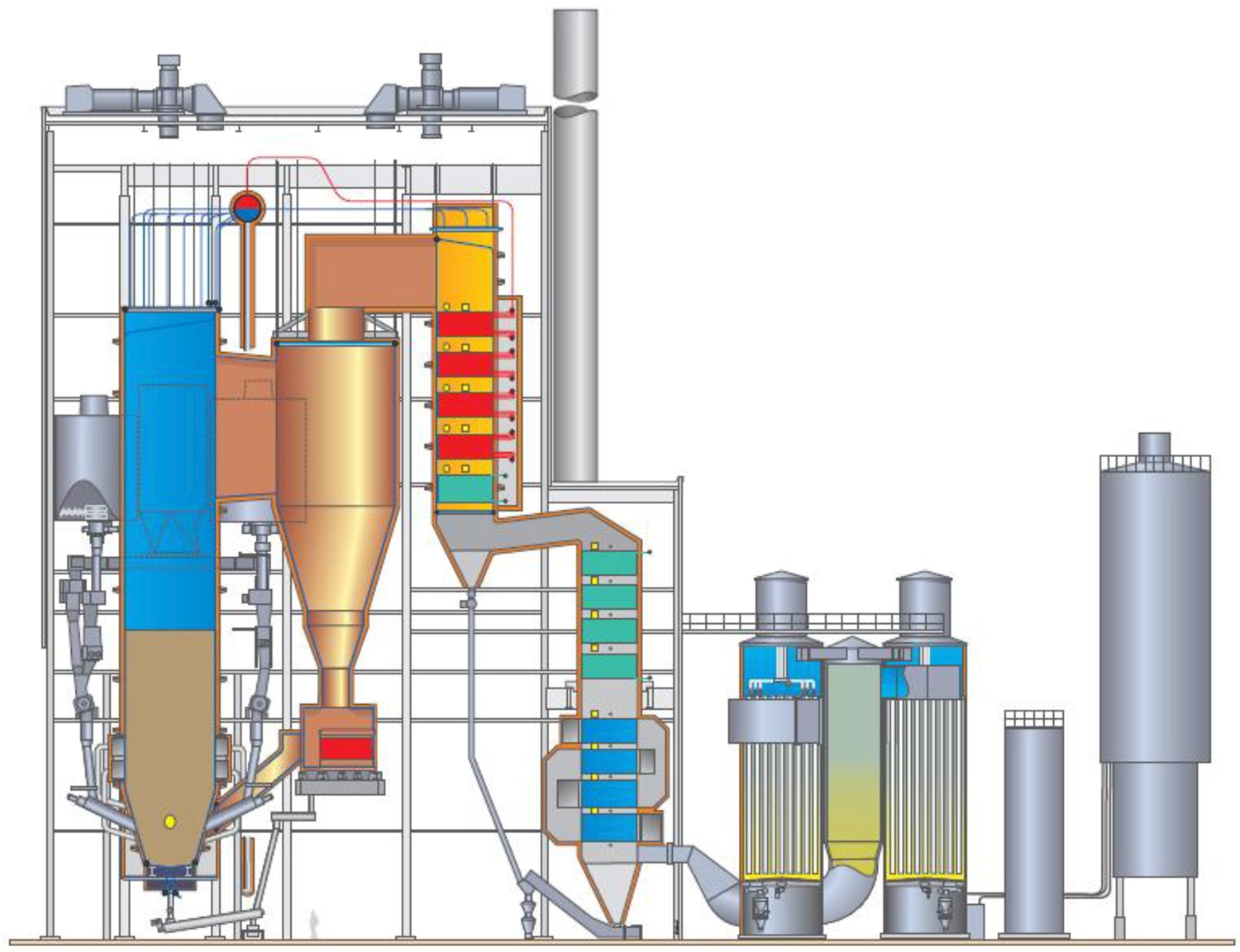
New biomass steam power plant for Hamburger Hungaria: Plan.
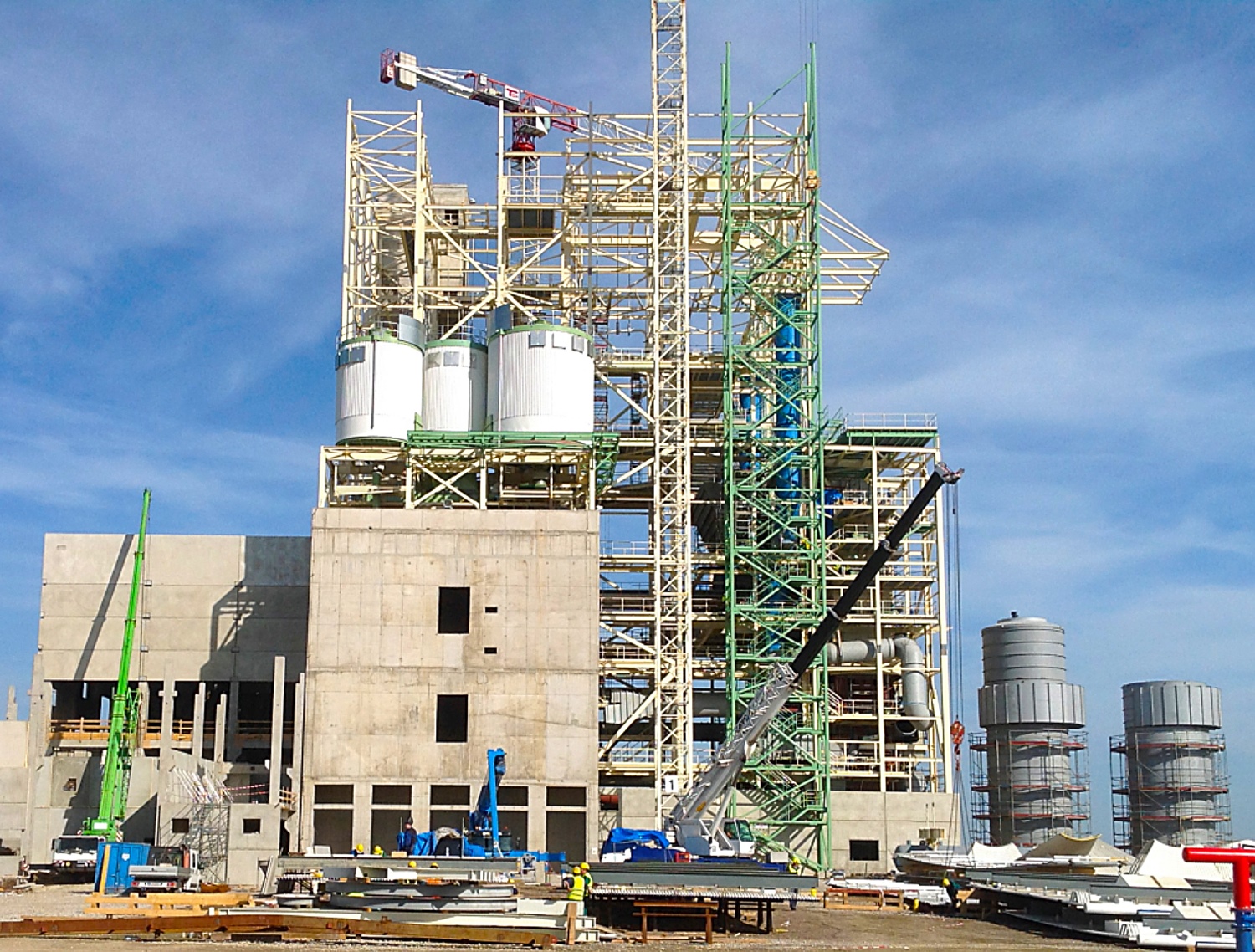
New biomass steam power plant for Hamburger Hungaria: Production site.
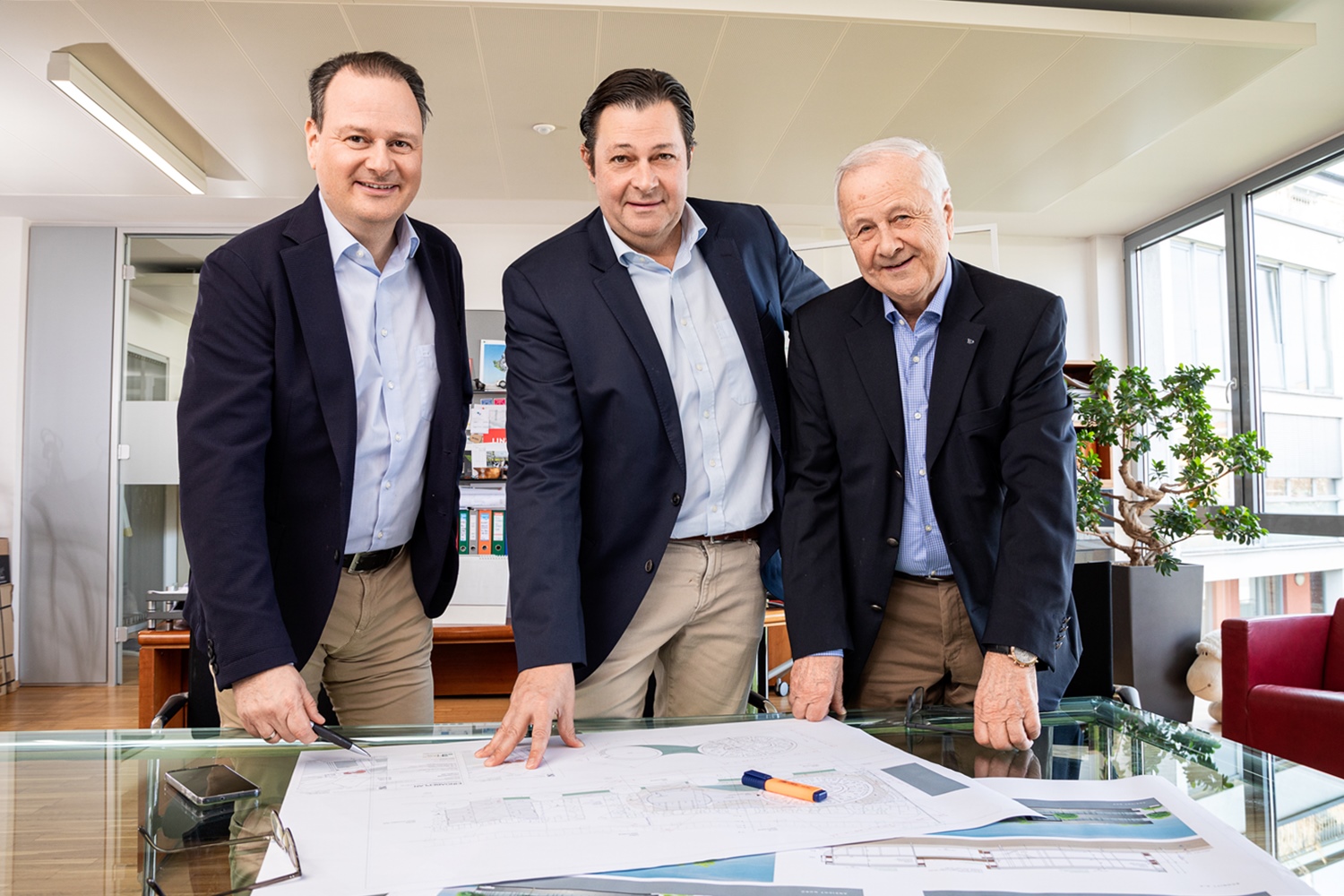
Thomas Wimmer and Thomas Füchsel with consultant Ferdinand Wimmer, former Managing Director and Partner.
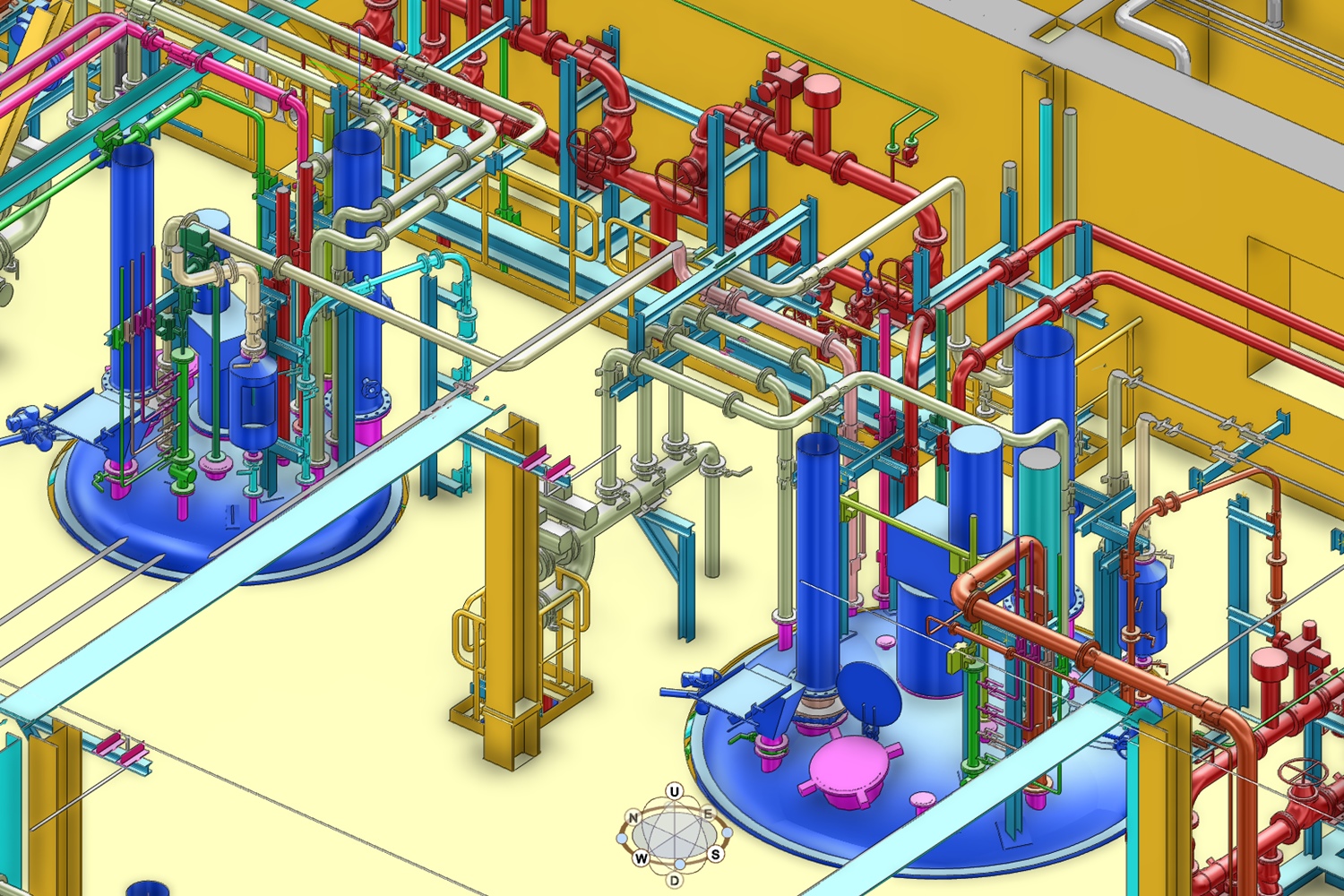
Complex pipework routing: Detailed 3D model that illustrates the precise planning and integration of pipework systems in industrial plants.
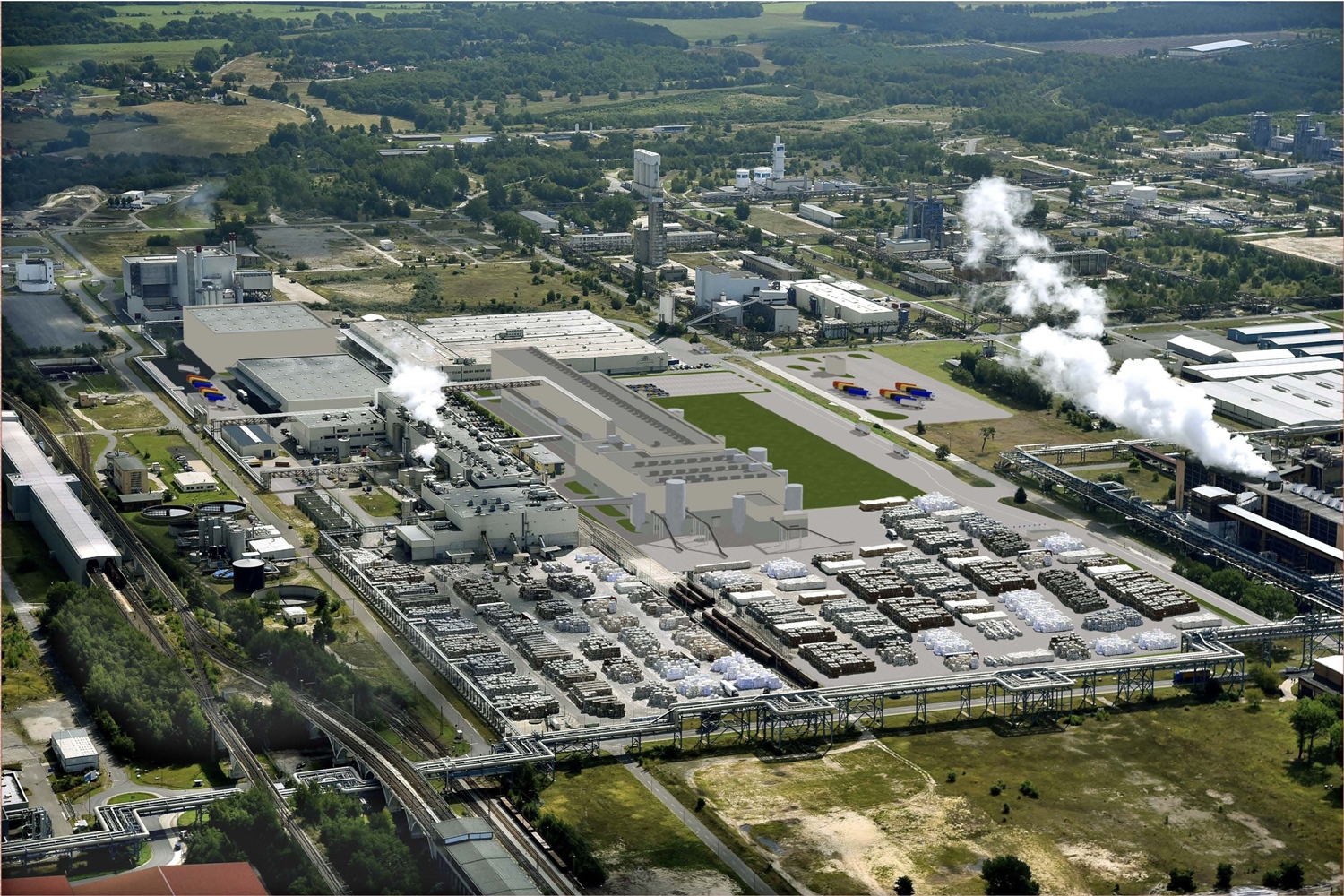
TBP realises new PM2 paper mill for Hamburger Spremberg.
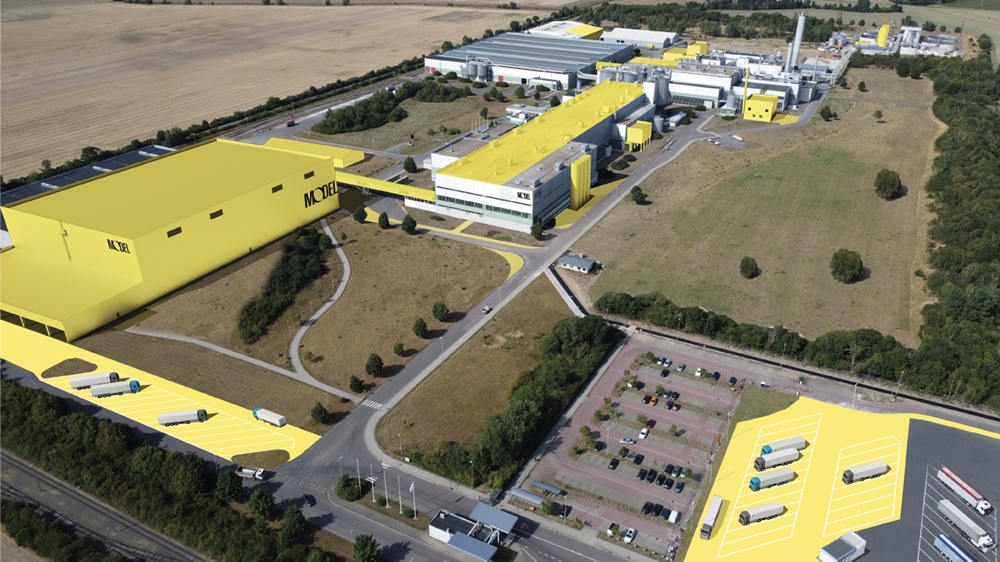
Project “MODEL Nike PM4” - Conversion of a newsprint paper machine to corrugated base paper.
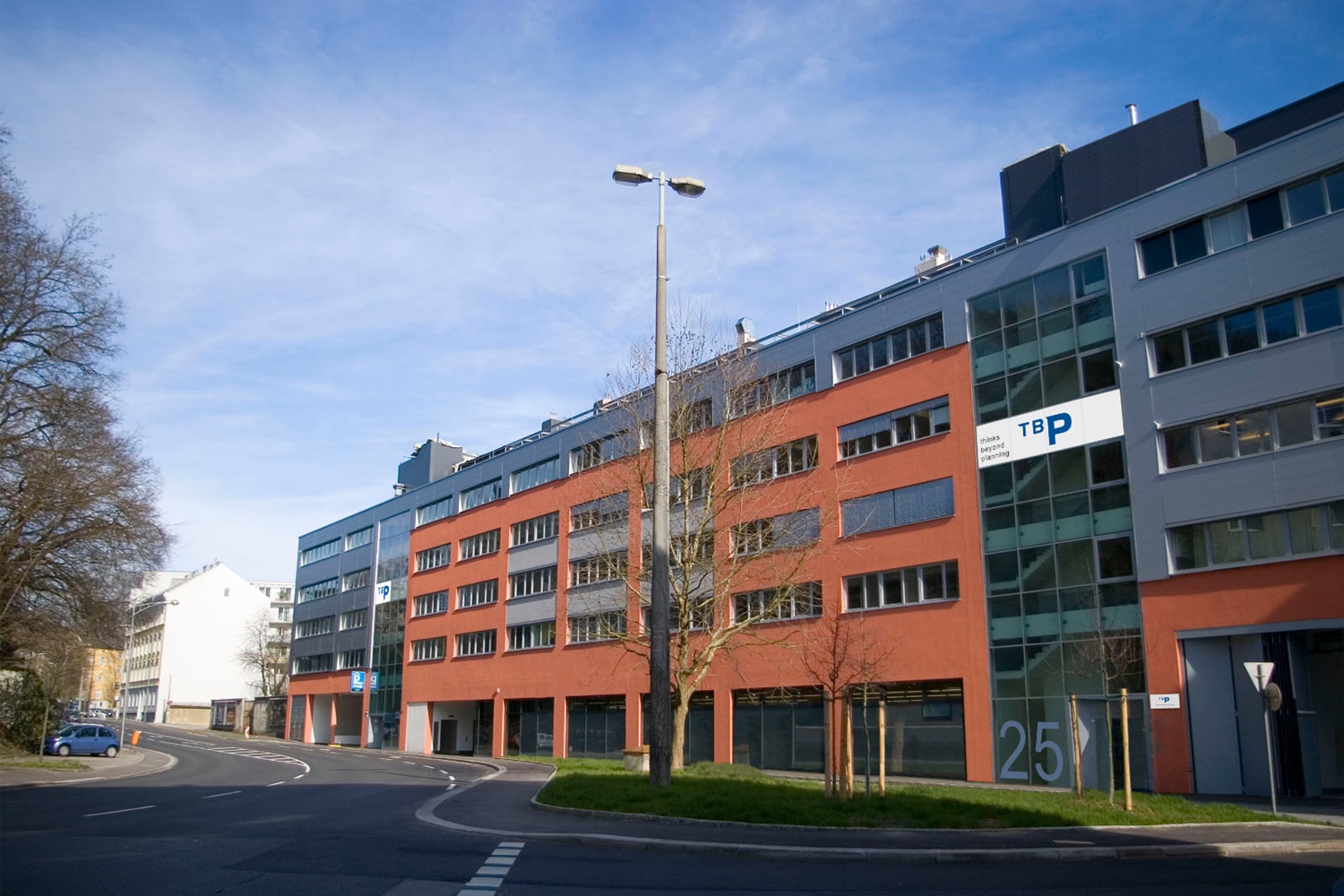
TBP Headquarters Linz (Austria), Hopfengasse.
Editor: sbr
Images: TBP
Content

